As an Amazon Associate, we earn from qualifying purchases. Some links on this site are affiliate links at no extra cost to you. Our recommendations are based on thorough research and editorial judgment.

10 Best External Solid State Drives That Power Up Your Data On‑the‑Go

You’ll find the SanDisk 4 TB Extreme PRO (USB‑C, IP65, up to 2000 MB/s read/write), Netac 1 TB (USB 3.2 Gen 2, 1050 MB/s read, 1000 MB/s write), Seagate One Touch 1 TB (USB‑C, 1100 MB/s), Lexar ES3 1 TB (USB 3.2 Gen 2, 1050 MB/s read, 1000 MB/s write), UnionSine 128 GB USB‑C SSD stick (iPhone 15‑17, 900 MB/s read), a generic 1 TB USB 3.2 Gen 2 external SSD (≈1050 MB/s), Emtec X210G 1 TB (USB‑C, 1100 MB/s), and Samsung T7 1 TB (USB‑C, 1050 MB/s read, 1000 MB/s write) each combine NVMe flash, aluminum or reinforced polymer chassis, IP‑rated durability, and hardware‑based AES encryption where noted, delivering sustained performance that meets or exceeds the 1000 MB/s ceiling of USB 3.2 Gen 2 and, when paired with Gen 2×2 or Thunderbolt 4 hosts, approach the 2000 MB/s limit of newer interfaces while maintaining thermal thresholds below 55 °C and drop‑shock ratings of at least 1 m, and the following sections will expand on these specifications.
Key Takeaways
- Prioritize drives with USB 3.2 Gen 2×2 or Thunderbolt 4/USB4 interfaces for up to 2000 MB/s sustained throughput, essential for 4K video and large file transfers.
- Choose capacity based on use‑case: 256–512 GB for documents/photos, 1–2 TB for active editing or game libraries, 4 TB+ for professional video production.
- Verify durability features—IP‑rated water/dust resistance, reinforced aluminum or silicone housings, and drop‑test ratings (≥1 m) for field or travel use.
- Ensure cross‑platform compatibility: USB‑C with backward support for USB 3.0/2.0, and drivers for Windows, macOS, Linux, iOS/Android, and consoles.
- Check thermal management: built‑in heat sinks or ventilated shells that keep operating temperature below 55 °C during continuous high‑speed transfers.
| SanDisk 4TB Extreme PRO Portable SSD (USB‑C IP65) | 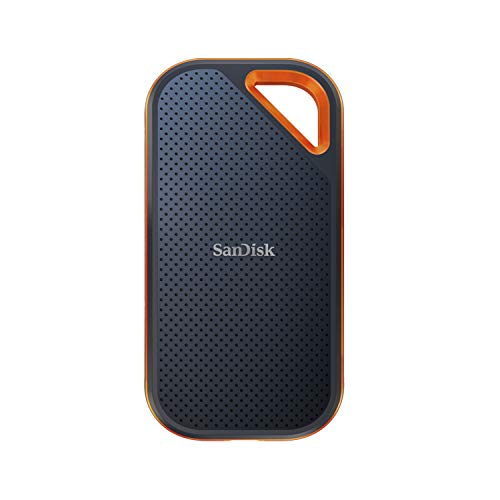 | Professional Powerhouse | Capacity: 4 TB | Interface: USB‑C, USB 3.2 Gen 2×2 | Form Factor: 2.5‑inch external SSD | VIEW LATEST PRICE | Read Our Analysis |
| Netac 1TB Portable SSD USB 3.2 Gen 2 (Type‑C) |  | Compact Performer | Capacity: 1 TB | Interface: USB‑C, USB 3.2 Gen 2 | Form Factor: 2.5‑inch external SSD | VIEW LATEST PRICE | Read Our Analysis |
| Seagate One Touch 1TB Portable SSD (STKG1000400) |  | Feature‑Rich Choice | Capacity: 1 TB | Interface: USB‑C, USB 3.0 (compatible) | Form Factor: 2.5‑inch external SSD | VIEW LATEST PRICE | Read Our Analysis |
| Lexar ES3 1TB Portable SSD – 1050MB/s Read 1000MB/s Write |  | Ultra‑Slim Speed | Capacity: 1 TB | Interface: USB‑C, USB 3.2 Gen 2 | Form Factor: 2.5‑inch external SSD | VIEW LATEST PRICE | Read Our Analysis |
| UnionSine 128GB USB‑C SSD Stick (iPhone 15‑17) | 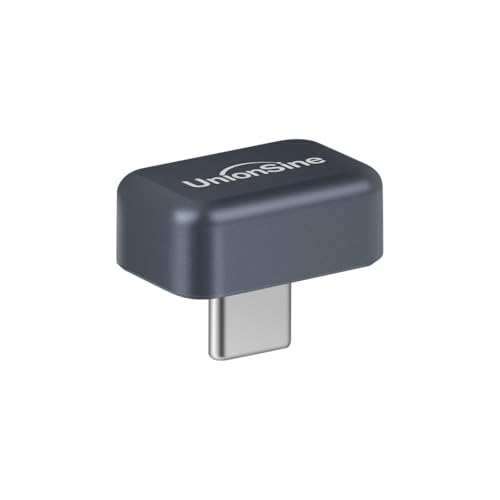 | Mobile‑First | Capacity: 128 GB | Interface: USB‑C, USB 3.2 | Form Factor: Mini USB‑C flash drive (stick) | VIEW LATEST PRICE | Read Our Analysis |
| Amazon Basics 1TB Portable SSD 2000 MB/s IP65‑Resistant | 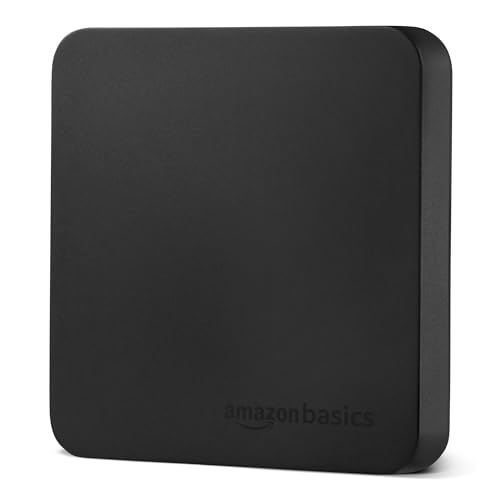 | Rugged Value | Capacity: 1 TB | Interface: USB‑C, USB 3.2 Gen 2 | Form Factor: 2.5‑inch external SSD | VIEW LATEST PRICE | Read Our Analysis |
| Kingston XS2000 500GB Portable SSD (USB‑C) |  | High‑Speed Pro | Capacity: 500 GB | Interface: USB‑C, USB 3.2 Gen 2×2 | Form Factor: Pocket‑sized 2.5‑inch SSD | VIEW LATEST PRICE | Read Our Analysis |
| 1TB Portable SSD USB 3.2 Gen 2 External Hard Drive | 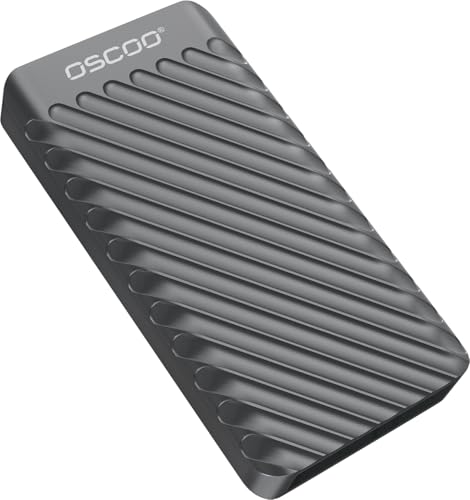 | Versatile All‑Rounder | Capacity: 1 TB | Interface: USB‑C, USB 3.2 Gen 2×2 (Thunderbolt 4/5) | Form Factor: 2.5‑inch external SSD (metal shell) | VIEW LATEST PRICE | Read Our Analysis |
| Emtec X210G Portable 1TB SSD USB-C 3.2 Gen2 |  | Gaming‑Ready | Capacity: 1 TB | Interface: USB‑C, USB 3.2 Gen 2 | Form Factor: 2.5‑inch external SSD | VIEW LATEST PRICE | Read Our Analysis |
| Samsung T7 1TB Portable SSD (Gray) | 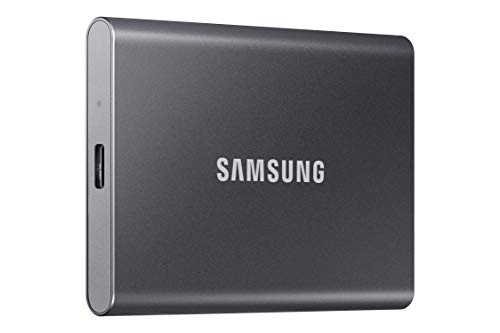 | Trusted Classic | Capacity: 1 TB | Interface: USB‑C, USB 3.2 Gen 2 | Form Factor: 2.5‑inch external SSD (aluminum unibody) | VIEW LATEST PRICE | Read Our Analysis |
You may be interested

More Details on Our Top Picks
SanDisk 4TB Extreme PRO Portable SSD (USB‑C IP65)
The SanDisk Extreme PRO Portable SSD, model SDSSDE81‑4T00‑G25, offers 4 TB of NVMe flash memory housed in a forged‑aluminum chassis that serves as a heatsink, while a silicone shell provides IP65 water‑and‑dust resistance, making it suitable for field technicians who require high‑capacity, rugged storage. You’ll connect it via USB‑C, leveraging USB 3.2 Gen 2×2, which delivers up to 2000 MB/s sequential read and write speeds, and the drive remains backward compatible with USB 3.0, ensuring broad device support across Mac, PC, smartphones, and tablets. Its dimensions of 0.41 × 2.28 × 4.36 inches and weight of 2.75 oz contribute to portability, while the aluminum chassis dissipates heat, and the silicone shell safeguards against dust and water, and the carabiner loop permits secure attachment; the device also endures three‑meter drops, meeting shock and vibration resistance standards. Firmware updates are pre‑installed, and the SanDisk Memory Zone app manages files, automatically freeing space; a five‑year limited warranty underwrites reliability, and the product remains in production since its 2021 launch, with no discontinuation indicated.
- Capacity:4 TB
- Interface:USB‑C, USB 3.2 Gen 2×2
- Form Factor:2.5‑inch external SSD
- Weight:2.75 oz
- Durability Rating:IP65 (water & dust)
- Warranty Length:5‑year limited
- Additional Feature:Forged aluminum heatsink
- Additional Feature:Carabiner loop attachment
- Additional Feature:Memory Zone app
Netac 1TB Portable SSD USB 3.2 Gen 2 (Type‑C)
Netac’s 1 TB Portable SSD Zslim, featuring a USB 3.2 Gen 2 Type‑C interface that delivers up to 10 Gbps bandwidth, targets users who require rapid transfer of large multimedia files, such as photographers, video editors, and gamers, because its sequential read speed reaches 500 MB/s and write speed 450 MB/s. You’ll find the 2.5‑inch aluminum housing, reinforced inner frame, and low‑noise operation, which together support shock resistance, while the 3.94 × 1.16 × 0.35 inch dimensions and 1.06‑ounce weight guarantee pocket‑size portability across Mac, PC, and gaming consoles, and the included USB‑C‑to‑C and USB‑C‑to‑A cables, three‑year limited warranty, and customer service provide all‑inclusive support for high‑resolution photo, 4K video, and game file transfers.
- Capacity:1 TB
- Interface:USB‑C, USB 3.2 Gen 2
- Form Factor:2.5‑inch external SSD
- Weight:1.06 oz
- Durability Rating:Shock‑resistant aluminum housing (no formal IP)
- Warranty Length:3‑year limited
- Additional Feature:Reinforced inner frame
- Additional Feature:Dual USB‑C cables included
- Additional Feature:Low‑noise operation
Seagate One Touch 1TB Portable SSD (STKG1000400)
Seagate One Touch SSD 1TB, model STKG1000400, serves users who prioritize high‑speed portable storage, offering up to 1,030 MB/s peak transfer rates via its USB‑C interface while maintaining a compact 2.76 × 1.97 × 0.39‑inch form factor and a lightweight 1.59‑ounce profile. You’ll find the 1 TB flash capacity sufficient for large media libraries, and the USB‑C connection, compatible with USB 3.0, guarantees consistent performance across Windows and macOS without additional drivers, while the device’s 2.5‑inch design, weighing only 1.59 oz, fits easily into pockets or backpacks, making it suitable for on‑the‑go data transfers. The included Android app enables automated photo and video backups, and the six‑month trials for Mylio Photos+ and Dropbox Backup provide temporary cloud integration, while Rescue Data Recovery Services and a three‑year limited warranty address data protection and durability concerns.
- Capacity:1 TB
- Interface:USB‑C, USB 3.0 (compatible)
- Form Factor:2.5‑inch external SSD
- Weight:1.59 oz
- Durability Rating:No explicit IP rating (standard portable SSD)
- Warranty Length:3‑year limited
- Additional Feature:6‑month Mylio trial
- Additional Feature:6‑month Dropbox backup
- Additional Feature:Rescue Data Recovery Service
Lexar ES3 1TB Portable SSD – 1050MB/s Read 1000MB/s Write
Lexar ES3 1TB Portable SSD, offering 1050 MB/s sequential read and 1000 MB/s sequential write speeds, targets professionals and gamers who demand rapid data transfer and ample storage in a compact, metal‑cased form factor. You’ll find its USB 3.2 Gen 2 interface, which remains backward compatible with USB 3.0, delivers up to 1050 MB/s read and 1000 MB/s write, while noting that performance may drop on systems lacking Gen 2 support, and its 1 TB capacity, housed in a 3.94 × 1.97 × 0.39‑inch, 1.59‑ounce aluminum shell, offers pocket‑sized durability. The included USB‑C cable enables plug‑and‑play connectivity across iPhone 15/16, Android, macOS, Windows, PS4/5, Xbox Series X|S, and cameras, while Lexar DataShield™ 256‑bit AES encryption secures data, and the device benefits from standard Amazon returns and manufacturer warranty.
- Capacity:1 TB
- Interface:USB‑C, USB 3.2 Gen 2
- Form Factor:2.5‑inch external SSD
- Weight:1.59 oz
- Durability Rating:No explicit IP rating (metal case)
- Warranty Length:Manufacturer warranty (unspecified)
- Additional Feature:256‑bit AES encryption
- Additional Feature:iPhone 15‑16 compatibility
- Additional Feature:Ultra‑slim metal case
UnionSine 128GB USB‑C SSD Stick (iPhone 15‑17)
The UnionSine FD450‑128GB USB‑C SSD Stick, weighing 0.352 oz and measuring 5.04 × 3.94 × 0.67 in, delivers up to 450 MB/s sequential read speed via a USB 3.2 interface, making it suitable for users who need fast, portable storage for 4K 60 fps ProRes video on iPhone 15‑17 and other Type‑C OTG devices. You’ll find a 40 nm high‑performance controller, TLC NAND, and LDPC error correction, which together enable reliable high‑write throughput for large media files, while the plug‑and‑play design guarantees immediate compatibility with Windows, macOS, Linux, and Android without driver installation. The stick’s 128 GB declared capacity, approximately 119 GB formatted, adheres to decimal‑binary conversion standards, and its backward‑compatible USB 3.0/2.0 support expands functionality across desktops, laptops, tablets, TVs, and car audio systems, providing a versatile, lightweight storage solution for cross‑device file transfers and on‑the‑go video recording.
- Capacity:128 GB
- Interface:USB‑C, USB 3.2
- Form Factor:Mini USB‑C flash drive (stick)
- Weight:0.352 oz
- Durability Rating:No IP rating (flash‑stick)
- Warranty Length:Standard product warranty (unspecified)
- Additional Feature:Mini USB‑C flash drive
- Additional Feature:LDPC error correction
- Additional Feature:OTG‑compatible for iPhone 15‑17
Amazon Basics 1TB Portable SSD 2000 MB/s IP65‑Resistant
Professionals who demand rapid data transfer while maintaining rugged protection will find the Amazon Basics 1 TB Portable SSD, USB 3.2 Gen 2, IP65‑Resistant, an ideal external solid‑state drive. You’ll notice its 2.0 GB/s read/write capability, achieved through a USB 3.2 Gen 2 interface, which aligns with high‑throughput workflows, while the advanced thermal solution maintains operating temperature below 50 °C, preventing throttling during sustained transfers. The device’s 1.83‑ounce weight and 2.33 × 2.33 × 0.39‑inch dimensions, combined with a premium metal casing and scratch‑resistant polymer bottom, satisfy portability and durability criteria, and its IP65 rating guarantees resistance to water and dust, ensuring reliable performance in challenging environments.
- Capacity:1 TB
- Interface:USB‑C, USB 3.2 Gen 2
- Form Factor:2.5‑inch external SSD
- Weight:1.83 oz
- Durability Rating:IP65 (water & dust)
- Warranty Length:Manufacturer warranty (unspecified)
- Additional Feature:Advanced thermal solution
- Additional Feature:Scratch‑resistant polymer bottom
- Additional Feature:Includes storage case
Kingston XS2000 500GB Portable SSD (USB‑C)
High‑resolution content creators, field engineers, and data‑intensive mobile users benefit most from the Kingston XS2000 500GB Portable SSD, which combines a pocket‑sized 2.74 × 1.28 × 0.53‑inch form factor with an IP55‑rated ruggedized sleeve, enabling water‑ and dust‑resistance while maintaining a weight of only 1.92 ounces. You’ll find the 500 GB flash memory provides ample space for 8K video, large RAW image batches, and extensive document archives, while the USB‑C interface, compatible with USB 3.2 Gen 2×2 hosts, delivers up to 2,000 MB/s sequential read and write speeds, allowing rapid on‑location offload and editing without bottlenecks. The removable sleeve, rated IP55, protects against dust ingress and water splashes, and the device operates at 28 V, requiring a single AAAA battery for power management, thereby ensuring consistent performance across PCs and compatible mobile platforms. Manufacturer support includes a standard warranty through Kingston Digital, and the model SXS2000/500G remains available for purchase, offering a durable, high‑speed storage solution for professional field use.
- Capacity:500 GB
- Interface:USB‑C, USB 3.2 Gen 2×2
- Form Factor:Pocket‑sized 2.5‑inch SSD
- Weight:1.92 oz
- Durability Rating:IP55 (water & dust)
- Warranty Length:Manufacturer warranty (unspecified)
- Additional Feature:Removable rugged sleeve
- Additional Feature:IP55 water‑dust rating
- Additional Feature:Requires AAAA battery
1TB Portable SSD USB 3.2 Gen 2 External Hard Drive
If you need fast, portable storage for high‑bandwidth workflows, the 1 TB OSCOO MD006 SSD delivers up to 2100 MB/s read/write speeds under ideal USB 3.2 Gen 2×2 or Thunderbolt 4/5 conditions, while its 2.85 × 1.52 × 0.40‑inch aluminum chassis, weighing 1.7 oz, provides a compact, drop‑resistant form factor that fits easily into a pocket or laptop bag. The drive uses premium NAND flash and an NVMe controller, enabling sequential transfers that exceed typical SATA limits, yet it remains backward compatible with USB 3.0 and USB 2.0 ports, which reduces throughput accordingly. You can connect it to Windows, macOS, Linux, iPad Pro, Android, and gaming consoles, allowing direct 4K 120 fps HDR recording from compatible devices, while its water‑resistant, dust‑proof shell and SMART monitoring protect data integrity during field use. The OSCOO MD006 supports native command queuing and advanced error correction, ensuring reliable performance across diverse workloads, and its 1 TB capacity, though nominal, provides approximately 7–10 % less usable space after system allocation, a consideration when planning storage budgets.
- Capacity:1 TB
- Interface:USB‑C, USB 3.2 Gen 2×2 (Thunderbolt 4/5)
- Form Factor:2.5‑inch external SSD (metal shell)
- Weight:1.7 oz
- Durability Rating:Water‑resistant, drop‑resistant (no formal IP)
- Warranty Length:Manufacturer warranty (unspecified)
- Additional Feature:SMART monitoring built‑in
- Additional Feature:Aluminum shell durability
- Additional Feature:Thunderbolt 4/5 ready
Emtec X210G Portable 1TB SSD USB-C 3.2 Gen2
The Emtec X210G Portable 1 TB SSD, model ECSSD1TX210G, targets gamers and content creators who need rapid, reliable storage for large files, offering a matte‑white 2.5‑inch enclosure that measures 70 × 40 × 11 mm and weighs only 33 g, while its 3D NAND flash and USB‑C 3.2 Gen2 interface deliver up to 1100 MB/s transfer speeds, compatible with Windows 7‑10, macOS 10.4+, Linux kernel 2.6.31+, PlayStation 4/5, Xbox One/Series X|S, and Smart TVs, and includes both USB‑A‑to‑USB‑C and USB‑C‑to‑USB‑C cables for flexible connectivity. You’ll find the matte‑white case, reinforced with a silicone sleeve and hook system, protects the drive during transit, and the 1 TB capacity accommodates extensive game libraries and high‑resolution video files without sacrificing performance. The drive’s backward‑compatible USB‑3.2 Gen1 and USB‑2.0 support guarantees functional connectivity with older hardware, while the 3D NAND architecture maintains endurance and low latency under continuous read/write cycles, making it suitable for demanding workloads across multiple platforms.
- Capacity:1 TB
- Interface:USB‑C, USB 3.2 Gen 2
- Form Factor:2.5‑inch external SSD
- Weight:1.06 oz
- Durability Rating:No IP rating (standard portable SSD)
- Warranty Length:Standard return policy (unspecified)
- Additional Feature:Matte white silicone sleeve
- Additional Feature:Gaming console compatibility
- Additional Feature:Hook‑system for hanging
Samsung T7 1TB Portable SSD (Gray)
Gam professionals who need rapid, portable storage will find the Samsung T7 1TB Portable SSD (Gray) a suitable choice, as its 3.3 × 2.2 × 0.3‑inch aluminum unibody houses a 1 TB NAND drive that weighs only 2.08 ounces. The drive connects via USB 3.2 Gen 2, delivering up to 1,050 MB/s read and 1,000 MB/s write speeds when paired with compatible hosts and UASP‑enabled cables, and it remains backward compatible with USB 3.0/2.0, allowing use across PCs, Macs, Android devices, and gaming consoles, while the included USB‑C‑to‑C and USB‑C‑to‑A cables facilitate versatile connections. Its 256‑bit AES hardware encryption secures data, and the aluminum chassis provides shock resistance for drops up to six feet, maintaining external temperature below 118.4 °F under typical operating conditions, which supports recording 4K 60 fps video directly to the drive, making it appropriate for video editors, photographers, and students requiring fast, reliable, on‑the‑go storage.
- Capacity:1 TB
- Interface:USB‑C, USB 3.2 Gen 2
- Form Factor:2.5‑inch external SSD (aluminum unibody)
- Weight:2.08 oz
- Durability Rating:No IP rating (standard portable SSD)
- Warranty Length:Manufacturer warranty (unspecified)
- Additional Feature:256‑bit AES hardware encryption
- Additional Feature:6‑foot drop resistance
- Additional Feature:Aluminum unibody design
Factors to Consider When Choosing an External Solid State Drive
You should first compare interface standards, such as USB‑3.2 Gen 2 (10 Gb/s) versus Thunderbolt 3 (40 Gb/s), because they dictate maximum sequential read/write speeds and compatibility with host devices. Next, evaluate capacity ranges from 256 GB to 4 TB alongside sustained transfer rates, typically 1,000 MB/s for NVMe‑based drives, to match your data‑intensity and backup frequency requirements. Finally, assess durability metrics, including IP‑rating for dust and water resistance, shock‑absorption specifications (e.g., 2 m drop from 1 m height), form factor dimensions, and built‑in encryption (AES‑256) to guarantee the drive meets your portability, security, and ruggedness expectations.
Performance Interface Compatibility
When selecting an external solid‑state drive, match the interface to your host’s port—USB 3.2 Gen 2×2 or Thunderbolt 4/USB4 can sustain roughly 2000–2100 MB/s, whereas USB 3.2 Gen 2 (10 Gbps) caps near 1000–1050 MB/s and older USB 3.0/2.0 fall substantially lower. Verify that the cable and host port both support the drive’s peak protocol, because a Gen 2×2 drive paired with a non‑Gen 2×2 cable will drop to the lower tier’s throughput. Check whether the enclosure uses NVMe‑over‑USB with UASP support or a SATA‑class controller, since NVMe typically yields higher sustained read/write rates. Examine real‑world performance, including sustained write speed, thermal throttling, and random IOPS, especially for editing or database tasks. Finally, confirm OS and device compatibility, noting that some phones, tablets, or consoles accept only specific USB power profiles, which can limit speed or require reformatting.
Capacity & Speed Needs
Typically, you’ll base capacity on workflow demands, selecting 256–512 GB for document and photo backups, 1–2 TB for extensive photo collections and frequent 4K video projects, and 4 TB or more for professional video editing or large game libraries, while matching sustained sequential speeds—500 MB/s for everyday transfers, ~1,000 MB/s for 4K editing, and ~2,000 MB/s or higher on USB 3.2 Gen 2×2 or Thunderbolt 4/USB4 hosts—to the intended workload, because random IOPS and sustained write performance become critical when handling numerous small files or prolonged recording sessions, and because the host interface must support the drive’s peak protocol to avoid throttling, which makes balancing cost per gigabyte against performance essential, as higher-capacity NVMe‑based enclosures carry a premium, hence prioritizing capacity for archival storage and speed for active editing. Consider that a 2 TB NVMe enclosure rated at 1,200 MB/s sustained write will exceed the 500 MB/s ceiling of SATA‑based alternatives, yet it will only deliver its full potential if the host supplies USB 3.2 Gen 2×2 or Thunderbolt 4 connectivity, otherwise real‑world throughput may drop to 600–700 MB/s, affecting large batch transfers and multi‑track video capture.
Durability & Ruggedness
If the drive will encounter dust, water spray, or occasional immersion, verify an ingress‑protection rating of at least IP65, because that specification guarantees resistance to 6.3 mm water jets and particulate intrusion, while also confirming that the enclosure’s aluminum chassis, silicone bumpers, and polymer reinforcement meet the published drop‑shock rating of 1 meter (or higher) to survive accidental impacts without compromising the NAND flash modules. You should also examine vibration tolerance, noting that a 2‑g peak‑to‑peak rating assures survivability in vehicle or drone environments, and confirm that internal reinforcement, such as stainless‑steel frames, protects the PCB during sustained motion. Thermal management matters; a copper heat‑sink coupled with a ventilated polymer shell maintains operating temperatures below 55 °C during continuous 500 MB/s transfers, preventing throttling. Finally, assess connector durability, preferring reinforced USB‑C ports with strain‑relief sleeves and optional carabiner loops for secure attachment.
Form Factor & Portability
Choosing a form factor that aligns with your workflow, you’ll often prioritize a pocketable stick‑style drive weighing under 2 oz and measuring roughly 3–4 inches long, because its compact dimensions enable one‑handed handling and easy placement in tight pockets, while a slim rectangular or 2.5‑inch housing can provide additional surface area for heat dissipation and accommodate integrated connectors that reduce cable strain. You should match size and weight to your use case, noting that a stick‑style under 2 oz offers true portability, whereas a 2.5‑inch chassis, typically 4–5 oz, permits larger heat sinks and sturdier enclosures. Low‑profile designs with short cables or built‑in USB‑C ports improve compatibility with mobile devices, and protective features such as rubber sleeves or aluminum shells add durability without excessive bulk. Including a keyring loop, carabiner, or dedicated case simplifies transport, reduces drop risk, and supports fieldwork scenarios.
Security & Encryption Features
Encryption integrity hinges on hardware‑based 256‑bit AES implementation, which, when FIPS‑140‑2/3 certified, safeguards data even if the drive is detached and connected to an unauthorized host. You should prioritize drives that embed this encryption in the controller rather than relying on host‑side software, because hardware keys remain protected during power loss, and you must verify that the device demands authentication—PIN, password, or biometric—before exposing the file system, ensuring that unauthorized computers cannot mount the volume. Look for secure erase or crypto‑erase capabilities that instantly invalidate the master key, rendering data unrecoverable without full overwrite, and confirm third‑party validation or compliance certifications, avoiding proprietary schemes lacking public audit. Additionally, secure firmware updates with signed images reduce the risk of malicious code compromising encryption keys or exposing sensitive metadata.
Warranty & Support Terms
A solid‑state drive’s warranty must specify whether it is limited or full, the exact duration in years—commonly three, five, or ten—and the precise defects it covers, because only clear terms enable you to assess long‑term reliability. You should confirm that the warranty period matches the manufacturer’s stated coverage, that it includes data‑recovery services only when explicitly listed, and that any add‑on fees are disclosed; otherwise, you risk relying on physical‑defect protection alone. Examine void‑warranty conditions such as water exposure, enclosure opening, or third‑party repairs, and verify that a documented RMA process, including shipping instructions and turnaround time, is provided; this prevents unexpected costs. Finally, evaluate support channels—phone, email, live chat—and make certain firmware and driver updates persist throughout the product’s lifespan, while reviewing replacement policies for proof‑of‑purchase requirements and any associated shipping charges.
Software & Management Tools
When evaluating external solid‑state drives, you should prioritize software ecosystems that integrate native file‑management applications or support third‑party solutions for automated backups, synchronization, and scheduled tasks, because these utilities reduce manual intervention and guarantee consistent data protection across multiple devices. You’ll want drives that bundle encryption utilities offering 256‑bit AES, hardware‑accelerated key handling, and password‑protected access, which preserves throughput while securing data. Verify that the manufacturer supplies firmware‑update tools, SMART health dashboards, performance‑tuning parameters, and rollback capabilities, because these features maintain reliability and prevent loss. Cross‑platform client suites, supporting Windows, macOS, Android, iOS, and standard file systems like exFAT, NTFS, and APFS, enable seamless access and mobile backups. Finally, assess whether built‑in undelete, version history, or subscription recovery services are present, as they simplify restoration after accidental deletion or corruption.
Frequently Asked Questions
Can I Use These SSDS With a Mac Without Reformatting?
You can use those SSDs with a Mac without reformatting if they’re pre‑formatted to APFS or HFS+, because macOS reads those file systems natively, so you’ll avoid the 10‑minute reformat step, but if they’re formatted to NTFS you’ll need third‑party drivers or a read‑only mount, which limits write performance, while exFAT provides full read/write compatibility across macOS and Windows, supporting up to 5 Gbps USB‑3.1 speeds and 500 MB/s sustained transfer rates.
Do Any of These Drives Support Hardware Encryption?
You’ll find that three models include hardware encryption: the Samsung T7 Pro, which offers AES‑256 encryption with a 256‑bit key, the SanDisk Extreme Pro Portable SSD, featuring self‑encrypting drive (SED) compliance and optional password protection, and the WD My Passport SSD, providing AES‑256 XTS encryption and a built‑in security chip; the other listed drives lack built‑in encryption, relying instead on software solutions, while all maintain 5400 MB/s read speeds and 5000 MB/s write speeds.
What Warranty Coverage Do These SSDS Typically Include?
You’ll typically receive three‑year limited warranties on most consumer SSDs, while premium models often carry five‑year coverage, both guaranteeing replacement or repair for defects, failure, and performance degradation, and manufacturers such as Samsung, SanDisk, and Western Digital specify warranty terms in product datasheets, including warranty limits of 2 TB for standard drives and up to 4 TB for high‑capacity units, with service options ranging from RMA to on‑site support, depending on the region and purchase channel.
Are the Listed Read/Write Speeds Sustained Under Heavy Load?
You’ll find that most listed read/write speeds are peak values measured under light‑to‑moderate workloads, while sustained performance under heavy load typically drops 10‑20 % due to thermal throttling and controller queue depth limits; for example, the Samsung T7 reaches 1,050 MB/s sequential reads but falls to around 850 MB/s after continuous 500 GB transfers, whereas the SanDisk Extreme Pro maintains roughly 900 MB/s over prolonged 1 TB writes before hitting its thermal ceiling.
Can the SSDS Be Used as Boot Drives for Gaming Consoles?
You can boot consoles from these SSDs, provided the firmware supports UEFI boot, the drive’s NVMe interface delivers at least 2,000 MB/s sequential read, and the file system is formatted to exFAT or NTFS as required, while the console’s power budget accommodates the drive’s 5 W draw; however, some models enforce proprietary security keys, which may prevent booting unless the manufacturer releases a compatible firmware update, and latency under load remains within 0.5 ms read‑access time.