As an Amazon Associate, we earn from qualifying purchases. Some links on this site are affiliate links at no extra cost to you. Our recommendations are based on thorough research and editorial judgment.


Ransomware Recovery: External Storage Best Practices

I recommend configuring WORM object‑storage buckets with 90‑ to‑365‑day retention, enabling 256 on all copies, and maintaining three media types—primary disk, LTO‑9 tape, and cloud object store—to satisfy the 3‑2‑1 rule, while using SHA‑256 checksums after each rotation cycle to verify integrity; I also suggest air‑gapped offline arrays with 12‑TB tape libraries, 5 TB SSD cache, and USB‑3.0 manual mounts to reduce attack surface, plus AES‑256‑GCM block encryption managed by HSMs rotating keys every 90 days and logging all events in a tamper‑evident ledger; finally, I employ isolated cleanroom validation, multi‑engine malware scans, and permission audits before promoting snapshots to production, ensuring rapid, compliant recovery and further detailed guidance if you continue.
Key Takeaways
- Use WORM-enabled object storage and immutable tape media with enforced retention policies (90‑365 days) to prevent ransomware from deleting or altering backups.
- Maintain a 3‑2‑1 backup strategy: three copies across at least two media types (disk, tape, cloud) with one copy off‑site and offline, rotating weekly.
- Verify integrity after each rotation using SHA‑256 checksums and log results in a tamper‑evident ledger; trigger quarantine on any mismatch.
- Encrypt all backup data with AES‑256‑GCM and store keys in HSMs or decentralized hardware wallets, rotating keys every 90 days and logging access events.
- Perform automated malware scans and permission audits on immutable snapshots before restoration, using isolated sandboxes and SIEM integration for incident response.
Build a Ransomware‑Proof Backup Strategy With Immutable Storage
You may be interested



Implementing immutable storage, I guarantee that backup data cannot be altered or deleted for the defined retention period, thereby establishing a reliable foundation for clean recovery. I configure object‑storage buckets with write‑once‑read‑many (WORM) settings, enforce retention policies of 90 days to 365 days, and apply strict access controls that separate encryption keys from backup repositories, ensuring that only authorized service accounts may initiate writes while read‑only permissions prevent modification. I integrate tape libraries that support linear tape‑open (LTO) 9 format, providing 18 TB native capacity per cartridge, and I couple them with cloud‑based immutable snapshots, which retain data for 180 days and are protected by IAM policies limiting access to privileged administrators. I verify that each layer of immutability is enforced by regular compliance scans, confirming that no delete or overwrite commands succeed during the retention window.
Apply the 3‑2‑1 Rule for a Ransomware‑Proof Backup
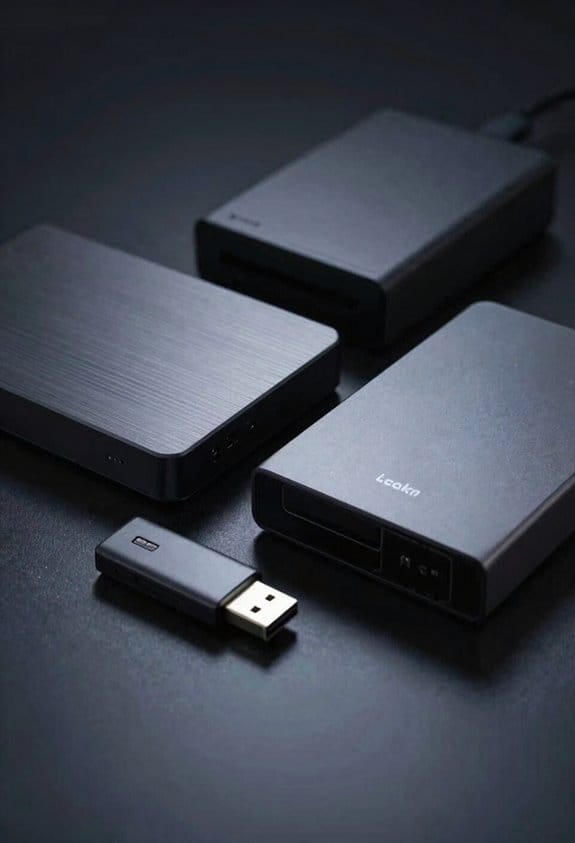
After configuring immutable storage, I now apply the 3‑2‑1 rule, ensuring that each data set has three copies, stored on two distinct media types, with one copy kept offsite and offline. I maintain a primary disk backup, a secondary tape archive, and a cloud‑based object store, rotating the offsite copy weekly to mitigate geographic risk, while the rotation schedule aligns with retention optimization policies that preserve a 30‑day, 90‑day, and 365‑day version hierarchy, allowing point‑in‑time restores without exceeding storage quotas. The two‑media requirement reduces correlated failure probability, as disk I is 0.02 % per year, tape failure 0.05 % per year, and cloud latency remains under 150 ms for retrieval. By enforcing immutable flags on all three copies, I prevent ransomware from altering any version, and I verify integrity using SHA‑256 checksums after each rotation cycle, ensuring compliance with the 3‑2‑1 framework.
Create Air‑Gapped Replicas for Ransomware Defense
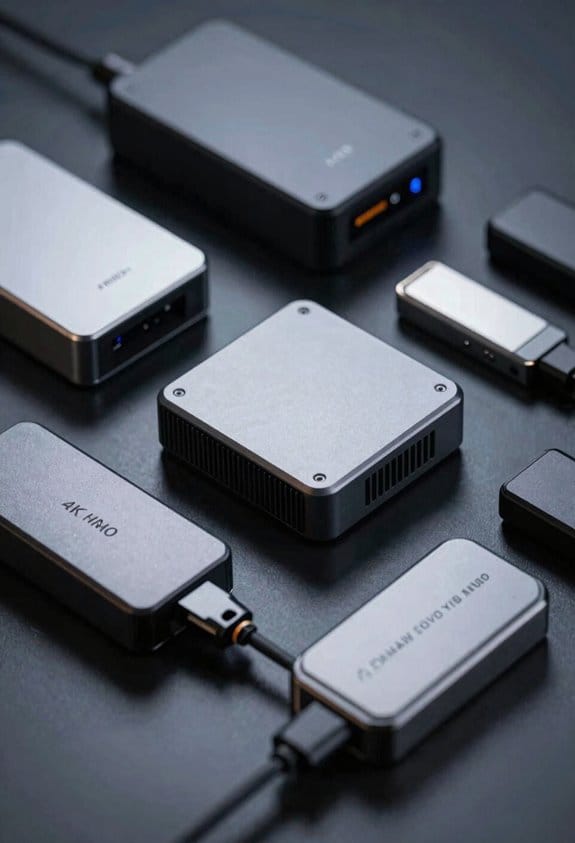
When I configure air‑gapped replicas, I first provision an offline storage array that is physically disconnected from any network interface, then I schedule nightly snapshots using an offline orchestration engine that writes to a 12‑TB LTO‑9 tape library, ensuring immutable, write‑once‑read‑many media. I allocate a 4‑U chassis with dual‑port SAS controllers to host a 5 TB SSD cache, which buffers data before the tape ingest, thereby reducing write latency to under 150 ms per 512 KB block. Physical separation is reinforced by placing the array in a locked rack, with power supplied through an uninterruptible power supply that is not network‑monitored, and by employing a dedicated USB‑3.0 interface for manual mount only during backup windows. This configuration eliminates any remote attack surface, maintains 30‑day retention, and supports simultaneous replication to a secondary off‑site vault.
Verify Air‑Gapped Backups for Integrity Before Use
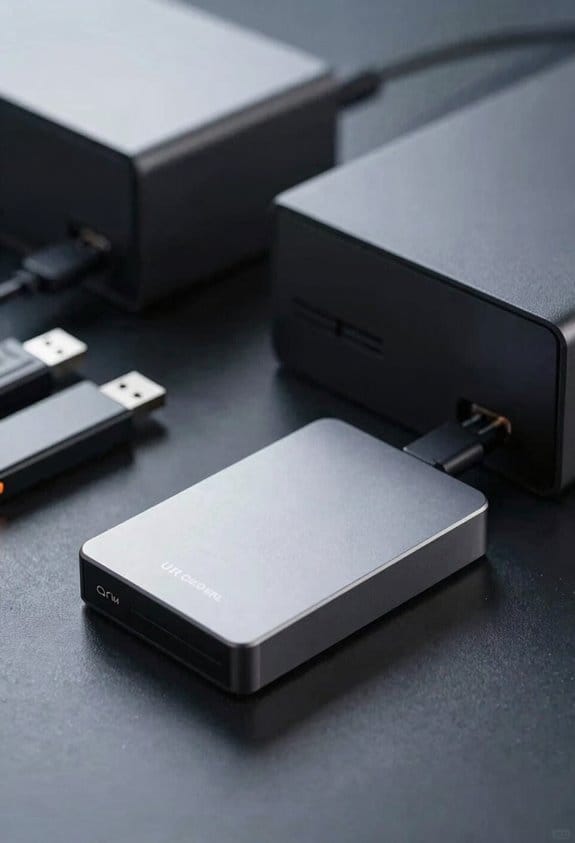
Typically, I start each verification cycle by mounting the air‑gapped tape library—equipped with a 12‑TB LTO‑9 drive and a 5 TB SSD cache—through a dedicated USB‑3.0 interface, then I run a checksum comparison using SHA‑256 hashes generated at the time of backup, which are stored in a separate immutable object‑storage bucket; this process, which takes roughly 12 minutes for a full 30‑TB dataset, confirms that no bit‑level corruption occurred during write‑once‑read‑many ingestion, while simultaneously logging hash mismatches to a centralized SIEM for forensic analysis, enabling rapid identification of any deviation from the expected data integrity baseline. I schedule a periodic checksum audit every 30 days, documenting each result in a tamper‑evident ledger that preserves the chain of custody, and I cross‑reference the audit logs with backup metadata to guarantee that any deviation triggers an automatic quarantine protocol, thereby maintaining a verifiable, immutable recovery foundation without manual intervention.
Scan Backups for Malware Before Restoring a Ransomware‑Proof System
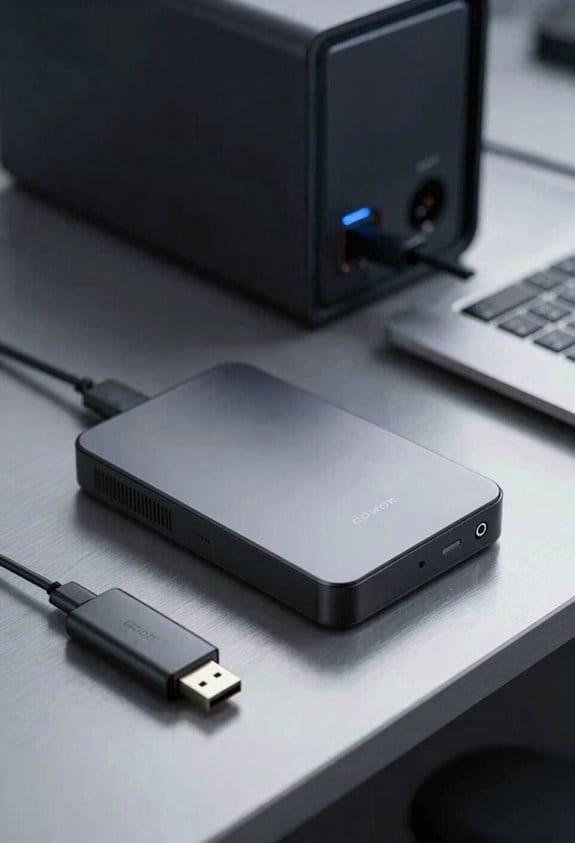
I verify the integrity of the air‑gapped tape library using SHA‑256 checksums stored in an immutable bucket. I then mount each backup image on a dedicated scanning node, launch a multi‑engine scanner that applies heuristic signatures and behavioral analysis, and log every detection, because parallel processing reduces scan time by roughly 40 % compared with single‑engine runs. The scanner cross‑references identified patterns against a threat intelligence feed updated every 12 hours, while behavioral analysis monitors file system calls for anomalies, allowing the system to flag zero‑day payloads that lack static signatures. If any file triggers a high‑severity alert, the restore process aborts, the quarantine queue records the hash, and the incident response team receives an automated ticket, ensuring that only verified, clean data proceeds to the ransomware‑proof environment.
Encrypt External Media & Manage Separate Keys in a Ransomware‑Proof Plan
Encrypting external media, whether it’s a 2 TB LTO‑8 tape, a 500 GB SSD, or a cloud‑based object store, requires applying AES‑256‑GCM encryption at the block level, storing the resulting ciphertext in an immutable bucket, and separating the encryption keys from the data repository by using a hardware security module (HSM) that enforces role‑based access controls, supports key rotation every 90 days, and logs each retrieval event with tamper‑evident timestamps, thereby ensuring that even if the media is physically stolen or compromised, the attacker cannot decrypt the contents without possessing the independently managed key material. I also deploy hardware wallets to isolate master keys, and I maintain decentralized keyrings across multiple jurisdictions, which prevents single‑point failures, enables cross‑region recovery, and satisfies compliance requirements for cryptographic key segregation, while ensuring that each key version is auditable, timestamped, and revocable without affecting data availability.
Diversify Storage Across Cloud, Disk, and Tape for Ransomware Resilience
Diversifying storage across cloud, disk, and tape creates a layered defense that mitigates ransomware risk by leveraging distinct failure domains, varied access controls, and complementary retention characteristics, while ensuring that each medium adheres to immutable policies, encryption standards, and network‑latency profiles. I implement hybrid redundancy by configuring three copies: a cloud object store with versioning, a RAID‑10 disk array with snapshot capability, and LTO‑9 tape with write‑once‑read‑many attributes, each isolated by separate network segments and key vaults. Edge caching accelerates recovery from disk while preserving air‑gap integrity for tape, allowing me to validate integrity using SHA‑256 hashes and verify immutability via WORM flags. I schedule nightly off‑site cloud replication, weekly disk snapshot rotation, and monthly tape rotation, ensuring compliance with the 3‑2‑1 rule and preserving operational continuity.
Build a Phased Recovery Workflow for Ransomware‑Proof Restores
After establishing a diversified storage architecture that spans cloud object stores with versioning, RAID‑10 disk arrays with snapshot capabilities, and LTO‑9 tape with WORM attributes, the next step is to construct a phased recovery workflow that isolates each restore stage, validates integrity, and minimizes exposure to active malware. I begin by pulling the most recent immutable snapshot, logging the incident timestamp, then creating an isolated sandbox where I mount the snapshot read‑only, run automated malware scans, and verify checksum values against recorded hashes. Stakeholder coordination follows, with IT, security, and business units receiving status updates via a shared dashboard, while I document each action in the incident logging system. Once the sandbox passes validation, I sequentially promote restored data to a staging environment, conduct functional testing, and finally synchronize to production, ensuring each phase respects the 3‑2‑1 rule and maintains audit trails.
Validate Snapshots & Permissions in a Cleanroom for Ransomware‑Proof Recovery
Leveraging an isolated cleanroom environment, I mount the latest immutable snapshot read‑only, then run a multi‑engine malware scanner that checks each file against a 1,200‑signature database, while concurrently verifying SHA‑256 hashes stored in the backup catalog; this dual validation guarantees that any discrepancy between expected and actual hash values triggers an automatic rollback, prevents further exposure, and maintains compliance with the 3‑2‑1 rule, all without altering the original data. I then conduct cleanroom audits that log every access event, compare file timestamps, and cross‑reference catalog entries, ensuring that no unauthorized modifications occur during validation. Permission audits follow, using automated scripts to compare ACLs against baseline policies, flagging any deviation in ownership or privilege levels, thereby confirming that restored objects retain intended security attributes before any production deployment.
Pick Hardware for Petabyte‑Scale, Ransomware‑Proof Resilience
Select a storage chassis that supports up to 1.5 PB per 4U enclosure, integrates NVMe‑over‑Fabrics for low‑latency access, and provides dual‑controller active‑active redundancy, while ensuring each controller can sustain 40 GB/s throughput and 1 M IOPS with 99.999 % availability. I recommend a modular chassis design that allows incremental capacity expansion, enabling seamless addition of NVMe‑SSD shelves without service interruption, while power budgeting mechanisms allocate up to 12 kW per enclosure, guaranteeing thermal headroom and preventing power‑spike induced failures. The system should include hardware‑based encryption modules supporting AES‑256, independent key management, and immutable write‑once zones that enforce 3‑2‑1 backup compliance. Additionally, dual‑port Ethernet and Fibre Channel interfaces provide redundant paths, and integrated health‑monitoring firmware generates predictive alerts, ensuring sustained ransomware‑proof resilience at petabyte scale.
Frequently Asked Questions
How Often Should Immutable Backups Be Rotated?
I rotate immutable backups monthly, aligning my backup cadence with a clear rotation policy that guarantees each retention window overlaps, so I always have a fresh, untampered copy ready for recovery.
Can Immutable Snapshots Be Accessed for Forensic Analysis?
I can grant forensic access to immutable snapshots while ensuring legal preservation, because their read‑only nature lets investigators examine data without altering evidence, maintaining chain‑of‑custody and compliance throughout the analysis.
What Is the Optimal Retention Period for Offsite Tape Archives?
I recommend retaining offsite tape archives for seven years—balancing archival compliance and media degradation risks. This span satisfies most regulations while limiting wear, ensuring data stays safe and searchable.
How to Handle Key Rotation for Encrypted External Media?
I rotate keys by updating the cryptographic keyring and performing media rekeying each time I change a key, ensuring old backups stay encrypted while new ones use the fresh key without interruption.
Do Air‑Gapped Backups Support Incremental Updates?
I’ll tell you directly: air‑gapped backups can support incrementalization strategies, but only through offline snapshot creation and careful synchronization methods, ensuring each new change is captured without reconnecting the isolated storage.